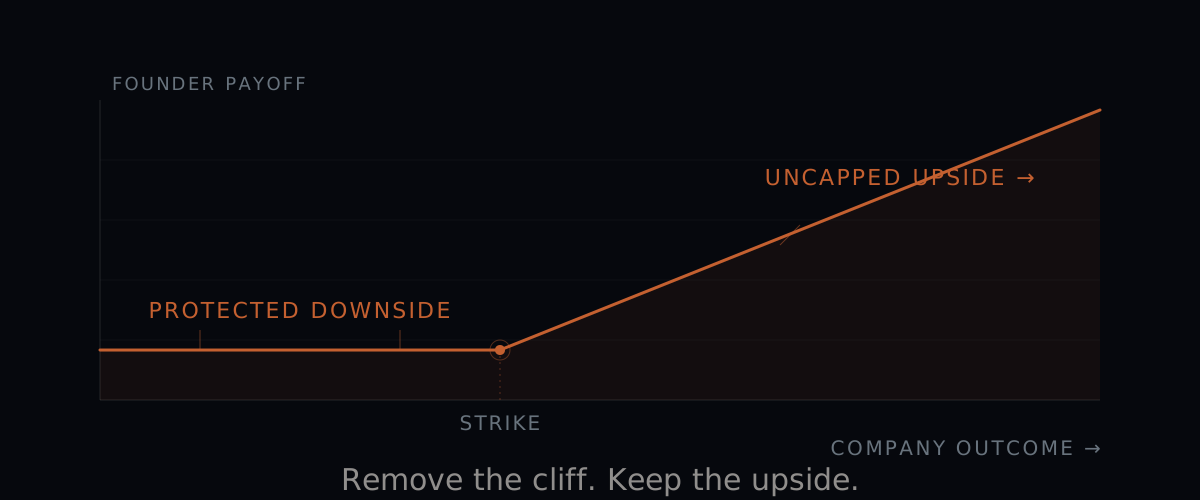
You're Not the Client. You're the Product.
Every VC tells founders they're the number one priority. They're not. The VC's client is the LP who wrote the check — and the founder is the product being packaged up and sold to them. Here's the con, the math behind it, and what a venture firm that actually served founders would have to look like.
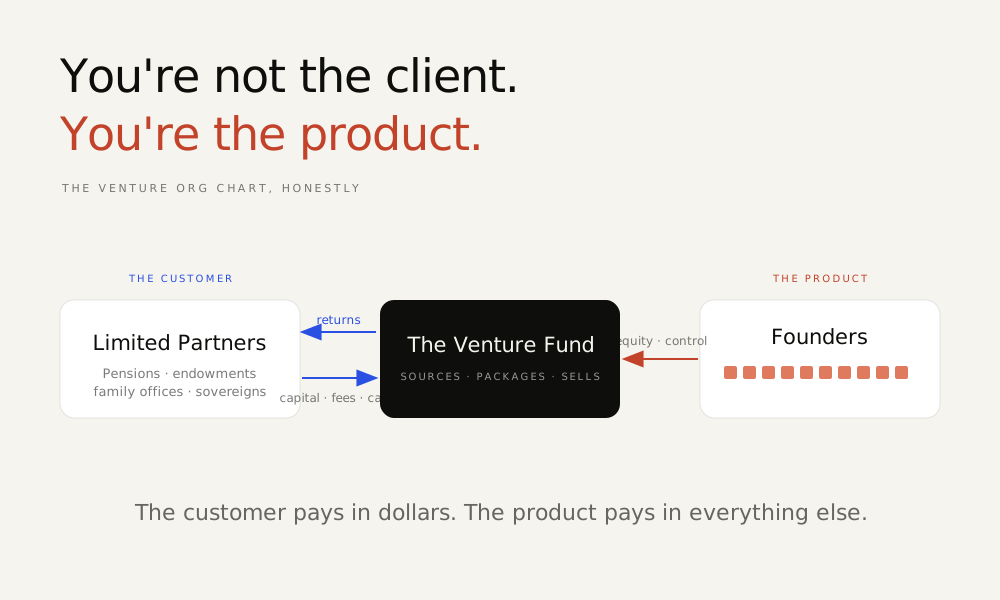
The Three-Front War for Your Cap Table
When a company gets hot, its carefully built cap table starts to unravel — right as an IPO comes into view. The squeeze hits on three fronts at once. Here's how the best operators get ahead of it.
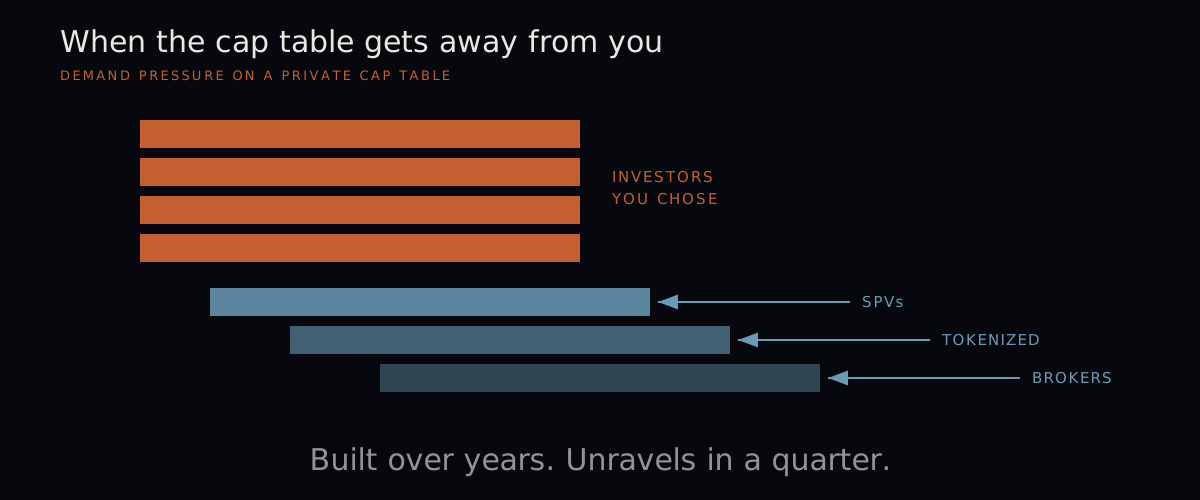
You're the Only One Without a Parachute
The founder takes the most risk, works the most hours, and stands last in line to get paid. Everyone else at the cap table negotiated themselves a floor. Here's the case that founders should too.
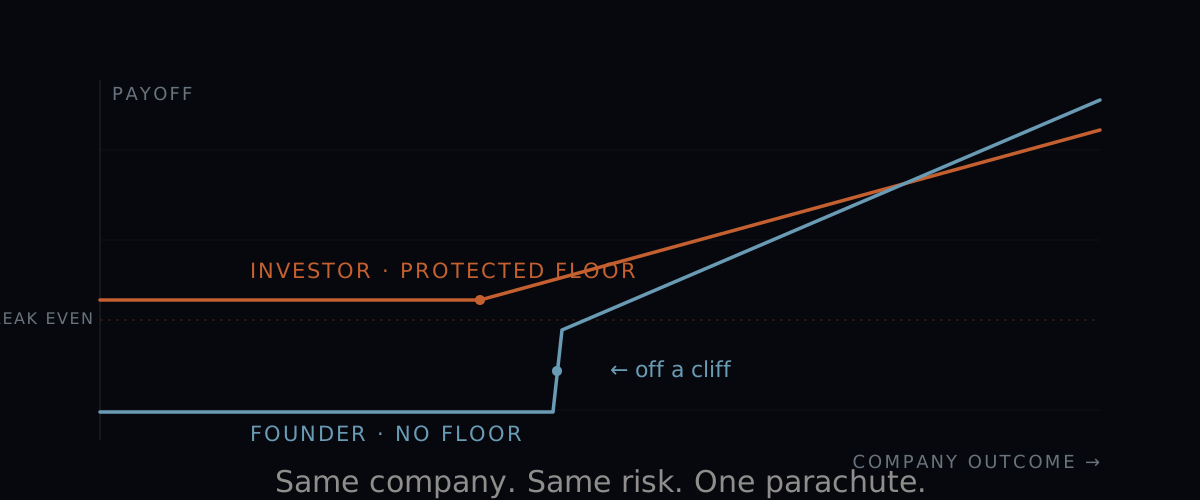
Why Founder Parachutes Produce Bigger Outcomes
The most common pushback we hear on founder downside protection is that it dulls the incentive to perform and makes founders soft. The venture math says the opposite — it actually makes them more likely to succeed. And so does the academic literature.