
Why the risk falls. The three books don't fail at the same time. Seed claims come early and in clusters; late-stage employees and GP carry fail less often and exit sooner, so their premiums and proceeds pay claims while the seed book matures. A seed-only pool has to hold cash against its worst years by itself. Blended, those years are cushioned by members whose good years come earlier.
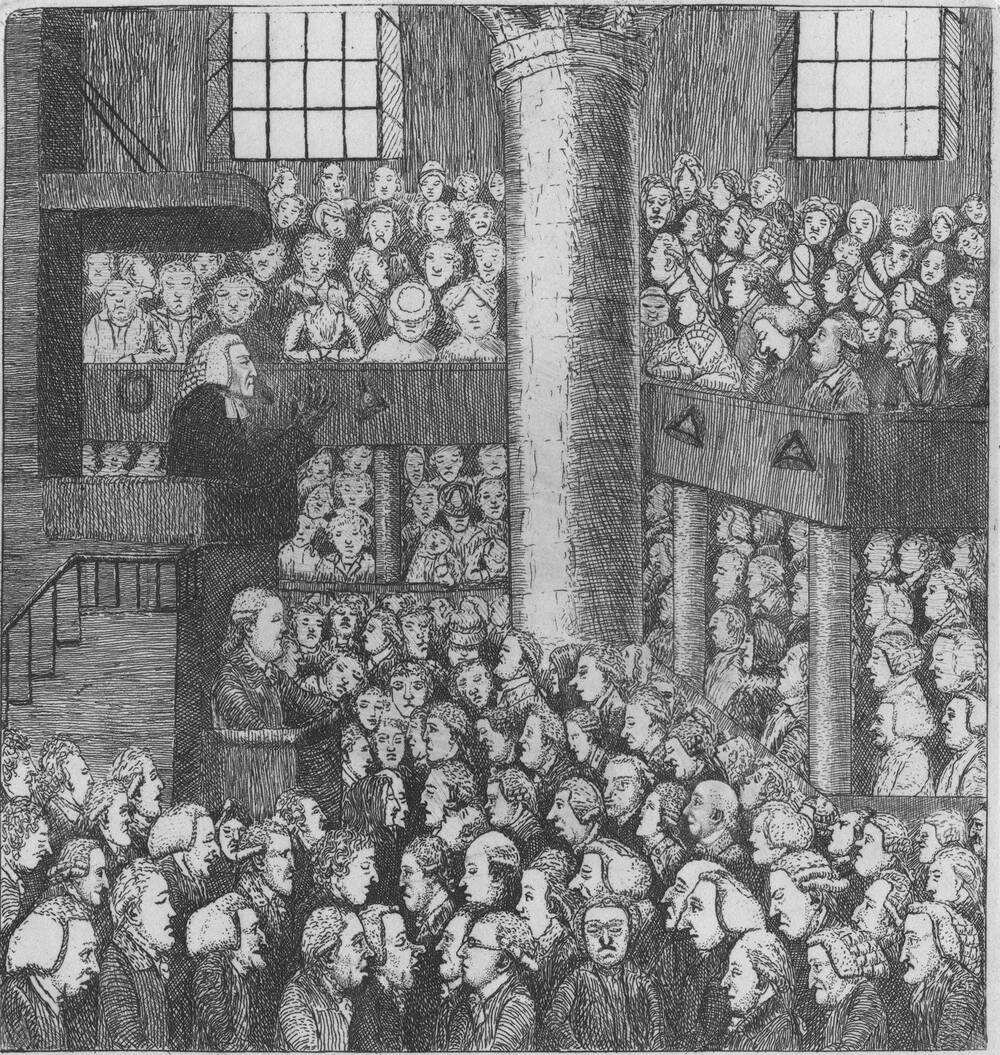
1744 · Edinburgh
The Scottish Ministers' Widows' Fund
When a Church of Scotland minister died, his widow and children were often left with almost nothing. Two Edinburgh ministers, Robert Wallace and Alexander Webster, proposed that every minister pay a modest annual premium into one fund that would pay a pension to any widow it left behind. Webster collected data on ministers' deaths and the families they left; Wallace priced the premiums from a life table; the mathematician Colin Maclaurin checked their sums.
The premiums were invested rather than simply passed through, and the fund worked. By one well-known account, its founders' forecast of its capital in 1765 was out by a single pound.1 It was still paying out two and a half centuries later.
The lesson for usNo single minister could promise his widow a pension. Hundreds of them, pooled and priced on real data, could. And it's survived 250 years of crises.